
How to Choose an Insulated Water Bottle for Your Lifestyle
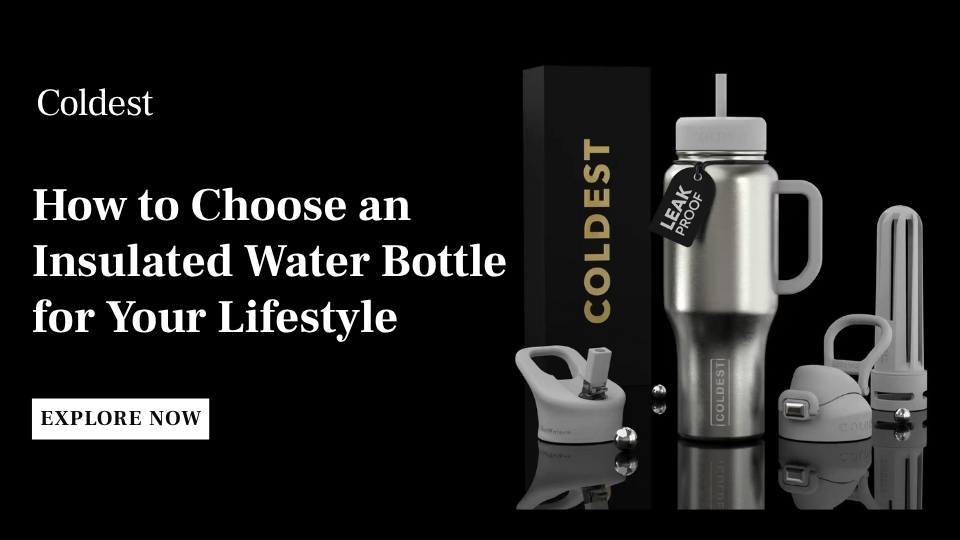
Choosing an insulated water bottle is about finding a balance between convenience, durability, temperature retention, and everyday practicality. A bottle that works well at your desk might not be the most comfortable option for a workout, road trip, or long day outdoors. The right choice depends on how much water you carry, how frequently you refill it, and which features matter most to you.
An insulated water bottle can help maintain your drink’s temperature for longer than many basic containers, making it a useful addition to a daily routine. However, capacity, lid construction, weight, and cleaning requirements deserve just as much attention as insulation. Coldest offers reusable drinkware in different styles and sizes, giving shoppers an option to compare when looking for a bottle that suits their lifestyle.
Why an Insulated Water Bottle Can Be Useful
Reusable drinkware can make it easier to keep water accessible throughout the day. Instead of repeatedly purchasing bottled water, you can refill your bottle at home, work, or suitable refill stations.
Insulation adds another practical benefit: it helps reduce the rate at which a beverage changes temperature. This can be particularly useful during commuting, exercise, travel, and outdoor activities. Some insulated designs accommodate both cold and hot beverages, although suitability depends on the specific product and its instructions.
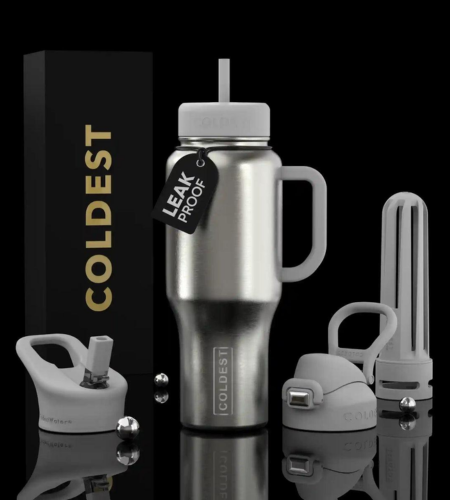
A well-chosen bottle may also encourage a consistent hydration routine by making water easier to carry. Nevertheless, no single design is ideal for everyone. A large bottle may reduce refill frequency but feel cumbersome in a small bag, while a compact option may be easier to transport but require more frequent refilling.
How to Choose the Right Water Bottle
1. Match the Capacity to Your Routine
Capacity should be one of your first considerations. Think about how long you typically spend away from a refill point and how much water you prefer to carry.
- For office use: A medium or large bottle may reduce interruptions for refills.
- For workouts: Choose a manageable size that is easy to hold and access.
- For commuting: Consider a bottle that fits your bag and regular cupholder.
- For outdoor activities: A larger capacity may be helpful when refill opportunities are limited.
Remember that a bottle becomes heavier when filled. Check its dimensions and empty weight before choosing the largest available size.
2. Understand Insulation Performance
Insulated bottles are designed to slow heat transfer between the beverage and its surroundings. However, temperature-retention performance varies by construction, lid design, and use.
When comparing products, look for manufacturer-provided cold and hot retention estimates. Check whether those claims specify particular conditions, and avoid assuming every bottle will deliver identical results.
If keeping water cold is your main priority, consider how easily you can add ice and whether the opening accommodates your preferred ice cubes. If you plan to carry hot drinks, verify that the bottle is specifically suitable for them and follow all safety instructions.
3. Select a Practical Lid
A lid affects how easily you drink, carry, and clean a bottle. Depending on the model, common options include screw tops, flip-top openings, and chug-style lids.
Consider these questions before deciding:
- Can you drink comfortably while standing or walking?
- Is the lid easy to open with one hand?
- Does the design have removable parts that need regular cleaning?
- Does the manufacturer describe the bottle as leak-resistant or leakproof?
- Is the lid suitable for the beverages you intend to carry?
Do not assume that every lid prevents leaks in every position. Follow the product instructions, secure the closure properly, and test a new bottle with water before placing it in a bag.
4. Consider Materials and Maintenance
Stainless-steel insulated bottles are popular because they are reusable and can be suitable for regular use. Still, material alone does not determine overall quality. Construction, lid durability, finish, and care requirements also matter.
Clean your bottle regularly according to the manufacturer’s directions. Wash the lid and seals carefully, rinse away soap residue, and allow the components to dry completely. Avoid using cleaning methods that conflict with the product’s care instructions.
Exploring Coldest Water Bottles
Coldest is a drinkware brand offering reusable bottles and related accessories. Its range includes insulated stainless-steel designs with different capacities and lid configurations.
One option to investigate is the Coldest Universal Bottle. The brand lists a 36-ounce version featuring stainless-steel construction, triple insulation, and a flip-top chug lid. Its product listing also advertises temperature-retention performance and cupholder compatibility.
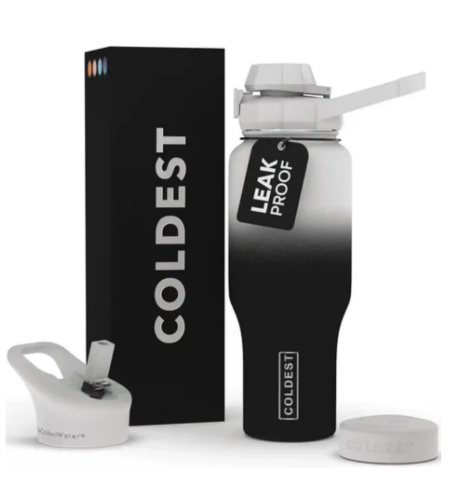
These details can help shoppers decide whether the model matches their needs, but specifications should always be checked against the current listing. Availability, colours, sizes, and included accessories may vary.
When comparing Coldest products, focus on the following:
- Capacity: Does it provide enough water without becoming too heavy?
- Insulation: Does the stated performance suit your daily activities?
- Lid style: Is it convenient for your preferred way of drinking?
- Portability: Will it fit your backpack, car cupholder, or work setup?
- Maintenance: Can you clean every component without difficulty?
The best choice is not necessarily the bottle with the most features. It is the one whose design fits your actual routine.
Pricing, Shipping, and Value
The price of an insulated water bottle can vary according to its capacity, materials, lid design, and included accessories. Before ordering from Coldest, compare the current product price with the features you expect to use regularly.
Also review shipping costs, estimated delivery times, and return conditions. Coldest publishes shipping and return policies, but eligibility and costs can depend on the destination and product. International shoppers should confirm whether delivery is available to their location and check any applicable charges before completing an order.
To assess value, consider the bottle’s expected usefulness over time rather than its purchase price alone. A more expensive design may be worthwhile if it meets your requirements, but a simpler model may be sufficient for basic everyday hydration.
Pros and Cons of Insulated Water Bottles
Pros
- Can help maintain beverage temperature for longer.
- Reusable for everyday activities.
- Available in different capacities and designs.
- May reduce the need to purchase disposable bottled water.
- Suitable for a variety of routines when the correct model is selected.
Cons
- Can be heavier than non-insulated alternatives.
- Often costs more than a basic plastic bottle.
- Requires regular cleaning and proper care.
- Temperature-retention performance varies by model and conditions.
- Some lids and accessories require additional maintenance.
Frequently Asked Questions
Are insulated water bottles worth buying?
They can be worthwhile if you regularly carry drinks and value temperature retention. Your budget, preferred capacity, and daily habits should determine whether the additional cost makes sense.
How do I choose the right bottle capacity?
Consider your typical time between refills, available bag space, and preferred carrying weight. A larger bottle holds more water but can become heavy when full.
Can insulated bottles keep drinks cold all day?
Some models advertise extended cold retention, but performance depends on the product, surrounding temperature, ice, and frequency of opening. Check the manufacturer’s specifications for your chosen bottle.
Are Coldest bottles suitable for travel?
Some models may suit commuting and travel, depending on their size, lid, and dimensions. Check cupholder compatibility and closure instructions before carrying a bottle in luggage or a backpack.
How should I clean an insulated water bottle?
Follow the manufacturer’s cleaning instructions. Wash the bottle, lid, and removable seals regularly, then allow them to dry thoroughly before reassembling.
What should I check before buying from Coldest?
Compare the current specifications, capacity, lid type, price, shipping options, and return policy. Make sure the selected model meets your needs before placing an order.
Conclusion
Choosing an insulated water bottle becomes easier when you prioritise the features that genuinely matter: capacity, temperature retention, portability, lid design, and ease of cleaning. These considerations can help you find a practical option for work, exercise, travel, or everyday use.
Coldest offers different reusable drinkware options to compare, including insulated stainless-steel bottles. Review the specifications and current policies carefully before deciding which model suits your routine. Exploring the brand’s available range is a practical next step toward finding an insulated water bottle you will feel comfortable carrying and using regularly.